Looking for help….?
If you or someone you know is struggling with a substance use disorder or mental illness, then know you are not alone. This page has resources and information available for those who are looking for information and somewhere to turn.
Harm Reduction
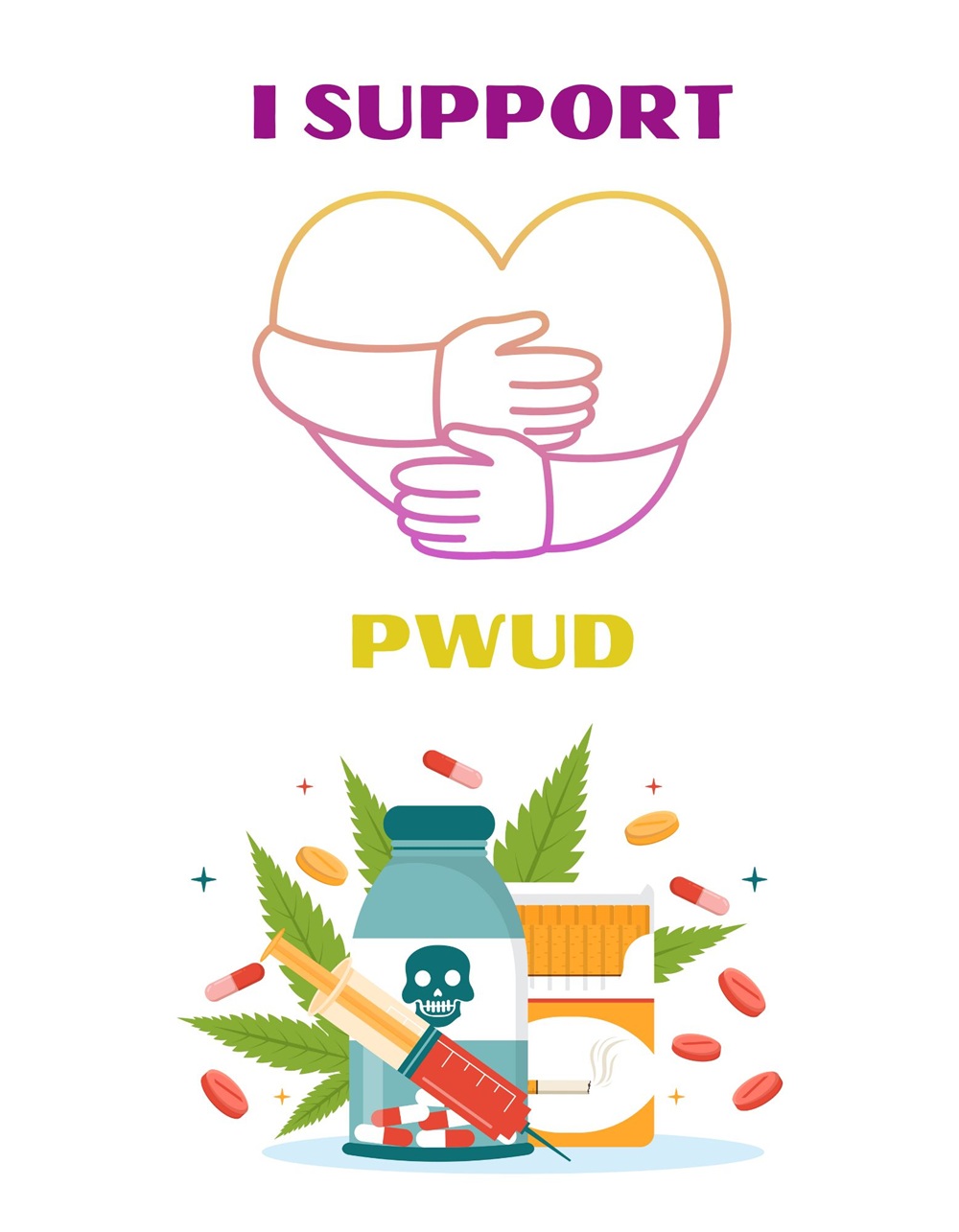
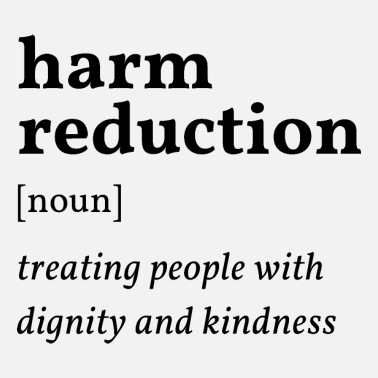
There are multiple pathways to recovery and harm reduction is one of them. Harm reduction is all about keeping the person safe while making healthier choices and keeping them alive while using substances. Harm reduction also shows the person dignity and respect without passing judgment.
Recovery
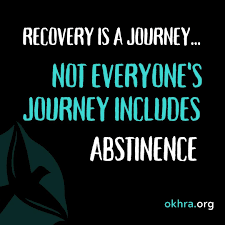
Recovery can only be defined by the person defining it. Everyone’s recovery is different. There are multiple pathways to recovery and recovery is not a “one size fits all.” For some people, total abstinence is their way to recovery. For others, MOUD (Medication for Opioid Use Disorder) is necessary where they take a prescription like Methadone, Suboxone, Subutex, or Vivitrol. Some people may choose plant-based recovery and use marijuana, (CBD or THC) kratom, or even psilocybin (psychoactive ingredient in Mushrooms). Twelve-step meetings work for many people but not everyone and so there are available alternatives. Regardless, of what pathway taken or if several pathways are utilized the person who is seeking recovery should never feel pressured, looked down upon, or judged for choosing what works for them. The main goal is that they are making healthier choices and staying alive.
Relapse
Relapse is a part of recovery. It’s how the person handles it and their choices afterward. Relapse is always premeditated. The person knows the relapse is going to happen before it does. There are what I call “lapses” otherwise known as a one-time “lapse in judgment.” Then there are full-blown “relapses.” A full-blown relapse is followed by an extended period of using substances after an extended period of recovery. Relapses happen and are an important part of the recovery process.
End Stigma
Using Substances & Overdose Prevention
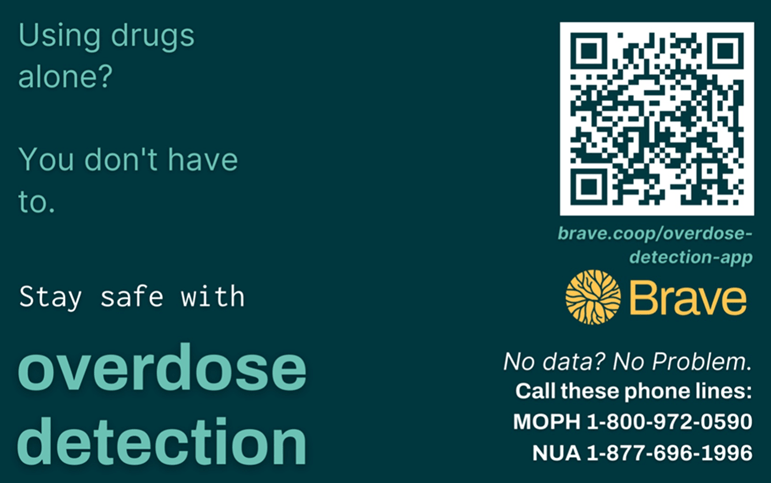
In the age of Fentanyl, Xylazine, Fentanyl Analogues, and a 50/50 chance of having a tainted or poisoned drug supply if you are using substances by yourself, there are ways to stay safe. The Brave Co-Op is a Canadian-based harm reduction organization that put out an app where substance users can connect with a “spotter” (operator) while ingesting illicit substances. The “spotter” will connect with the person using and they will go over their recovery plan. The substance user sets up a recovery plan that gives the “spotter” information and clear, strict directions on who to contact in case the user becomes unresponsive. The recovery plan will list people the substance user trusts and who are closely located to that person so they can get to that person quickly when the user goes unresponsive. They can also instruct the “spotter” to call emergency services in case the user goes unresponsive. The “spotter” waits until the user feels they are safe to disconnect. It’s a lifesaving service, and many overdoses have been reversed because of the volunteers who are “spotters” for the organization.
Harm Reduction Resources
- National Harm Reduction Coalition http://www.harmreduction.org
- SAMHSA – Substance Abuse & Mental Health Services Administration https://www.samhsa.gov/find-help/harm-reduction
- Next Distro (Free Naloxone & Narcan Distribution) http://www.nextdistro.org
- DanceSafe (Drug Checking Kits) http://www.dancesafe.org
- Brave Co-Op (Overdose Detection) https://www.brave.coop/
- Change At Your Own Pace https://www.michigan.gov/opioids/find-help/change
Recovery Resources
- SMART Recovery https://smartrecovery.org/
- Recovery Dharma https://recoverydharma.org/
- Celebrate Recovery https://celebraterecovery.com/
- Shatterproof https://www.shatterproof.org/learn/addiction-resources/family-and-friends
- Drug Enforcement Agency Recovery Resources https://www.dea.gov/recovery-resources

We Just Want To Keep People Alive!
“North America actually the world is in the midst of a gripping overdose crisis”
 I Can't Make This Shit Up!